



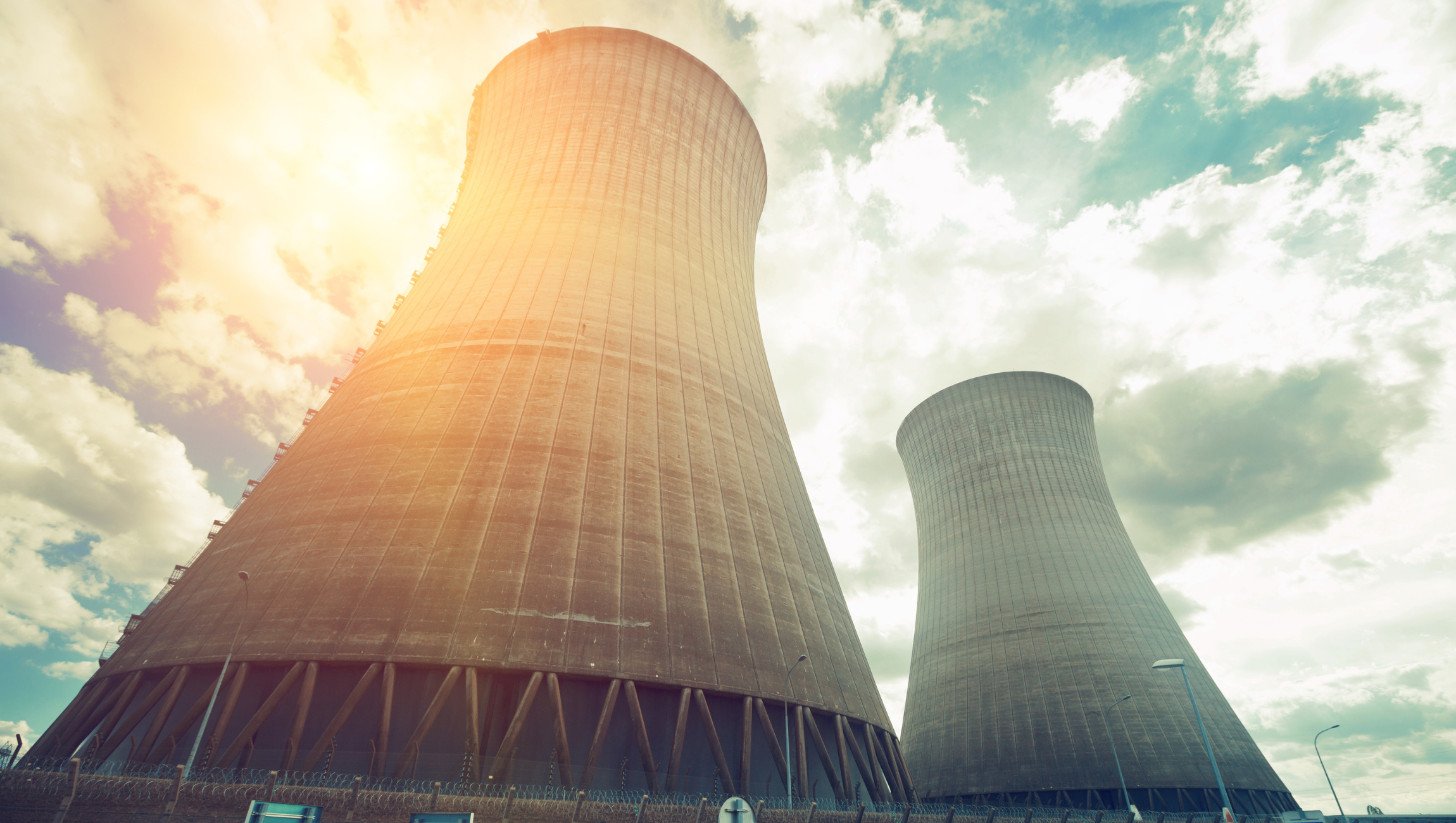
Relegated to the sidelines by some, the stars appear to be aligning for a resurgence of the US nuclear energy industry in a way that hasn’t been seen since the buildout of the 1970s and 1980s.
Advances in nuclear technology, improving public and political sentiment, and an insatiable demand for power at a time when fossil fuel baseload alternatives are increasingly out of favor due to environmental concerns have combined to reinvigorate interest in nuclear energy. However, with any true renaissance still several years from materializing at scale, it is important that market participants can demonstrate a clear pathway to growth even before tailwinds begin to accelerate.
A new found sense of urgency
Following a period of relatively modest expansion, the last several years have sparked a new era of growth in US power consumption, driven by the AI boom and the wider electrification of the economy. Latest forecasts predict US power demand will increase 50% by 2050.
While renewables and natural gas seem likely to be the immediate beneficiaries, intermittent power sources, such as solar and wind, face inherent obstacles to becoming the long-term solution for the grid’s baseload generation needs. With ~97GW of existing installed capacity, nuclear is already a vital supplier of baseload capacity to the US power grid, and will likely become more important as the grid seeks an alternative to the more than 150GW of installed coal capacity set to be phased out over the next 15 years.
“If the US wants to continue to position itself as a leader in AI, then the energy production capacity of the US will have to expand, there is no other option.”
Utility operator
With a long-term solution for power demand now one of the most pressing issues facing the US economy, nuclear energy seems a clear answer to solve the puzzle. In 2024 the DOE set a target of reaching 300GW of installed nuclear capacity by 2050, a three times increase on the current fleet. This momentum has only increased in 2025, with the new Trump administration issuing multiple executive orders aimed at reducing regulatory hurdles and accelerating the development of new nuclear assets.
“The US DOE set its goals for 300 GW of nuclear by 2050, and right now, the industry is thinking that this is possible.”
Nuclear operator
The US is not alone in its renewed focus on Nuclear. Development of the UK’s new Hinkley Point and Sizewell plants continues, while France has announced plans for an additional six reactors by 2050, and even Germany is no longer standing in the way of new nuclear development within the EU. In Asia, China has plans to increase its installed capacity by nearly four times, from 55GW to 200GW by 2040.
An industry rising to the challenge
Nuclear technology is not standing still either. Innovative firms are working to make the next generation of nuclear assets a reality – from established players such as Westinghouse and Holtec to highly capitalized industry disruptors such as NuScale, Oklo and Kairos Power. The commissioning of Vogtle Units 3 and 4 in 2023 and 2024 proved that US is still capable of building large-scale reactors, and in July this year Westinghouse announced plans to build 10 new AP1000 reactors in the US, while Constellation committed billions of dollars to uprate its Limerick Clean Energy Center by 340MWe. At the same time, advanced and small modular reactor (SMR) technologies continue to move closer to commercialization. Multiple plants are now under development for commissioning in the early 2030s, with data center giants like Google, Meta and Microsoft all committing to power purchase agreements with nuclear developers to meet their growing energy needs.
“If developers can demonstrate a clear pathway to building and operating SMRs and other next-gen nuclear technologies in a profitable manner, I expect the nuclear industry will take off like a rocket ship.”
Nuclear operator
Capturing tomorrow’s nuclear growth today
While there are robust long-term tailwinds, significant expansion of the US nuclear generating fleet is unlikely before the early 2030s, leaving many wondering whether attractive opportunities exist in the industry today.
While identifying winners within advanced reactor technologies remains highly speculative, there are other ways to capitalize on activity in the industry while benefiting from underlying trends within the existing operational footprint:
- Firms involved in the early design, engineering and licensing process
While any peak in construction and new operating activity may not arrive until the late 2020s and beyond, design engineering and regulatory licensing processes are already well underway for many projects. This activity is only likely to continue accelerating over the next few years to support the impending buildout.
- Firms serving the existing nuclear operating fleet
With over 400 reactors in operation worldwide, the existing operating fleet consumes tens of billions in operating and capital expenditures every year. This is only set to grow as plant infrastructure continues to age. In the US, plants were originally granted 40-year operational licenses back in the 1970s and 1980s, many of these plants may now remain in operation for as long as 100 years before they are ultimately retired, driving greater demand for maintenance support and engineering services to upgrade critical subsystems.
“As plants age, the costs of running these plants will continue to increase – equipment will need replacing and external support will be needed to keep these plants safe and efficient. In the current environment I expect operators will try to keep these plants running until they’re forced to close.”
Nuclear operator
Key beneficiaries include:
- Engineering service providers – supporting plant operators with remedial work, plant upgrades, large recommissioning projects and upcoming new builds.
- Operations and maintenance specialists – from regulatory compliance and training specialists to providers of operational software – all will benefit from an aging workforce and need to maintain operational expertise in a fast-moving environment.
- Providers of critical equipment and solutions – including nuclear specific solutions such radiation monitoring solutions, radioactive material storage containers, radiation shielding, PPE, and nuclear rated equipment in areas such as instrumentation, flow control and electrical equipment.
“As our experienced engineers retire with nobody to replace them, the knowledge is lost, and plant operators have been using third party consultants to remain compliant despite this loss.”
Nuclear operator
Early movers are finding ways to benefit
Investors who understand the emerging growth potential of the nuclear industry have already started taking action, from strategic corporates to private investors.
- In 2025 Mirion acquired Certrec, the US nuclear industry’s leading regulatory compliance services provider, and Paragon, a leading provider of highly engineered instrumentation and control systems, and various engineering and consulting services for nuclear power plants and small modular reactors, to strengthen its relationship with both operating nuclear assets and advanced reactor technology firms.
- Engineering service providers Excel Services and GSE Solutions recently received investment by private equity to help fund their ability to serve increasing industry demand
- Other investors have snapped up companies like WSC, MillenniTEK, and Lancs Industries – suppliers of advanced materials, equipment and other solutions to the nuclear industry – who are all set to benefit from the industry’s revitalization over the coming years.
CIL continues to monitor continued developments within the commercial nuclear industry. If you would like to discuss key developments or strategic opportunities, please get in touch.
Sign up to our mailing list to receive our latest insights.