



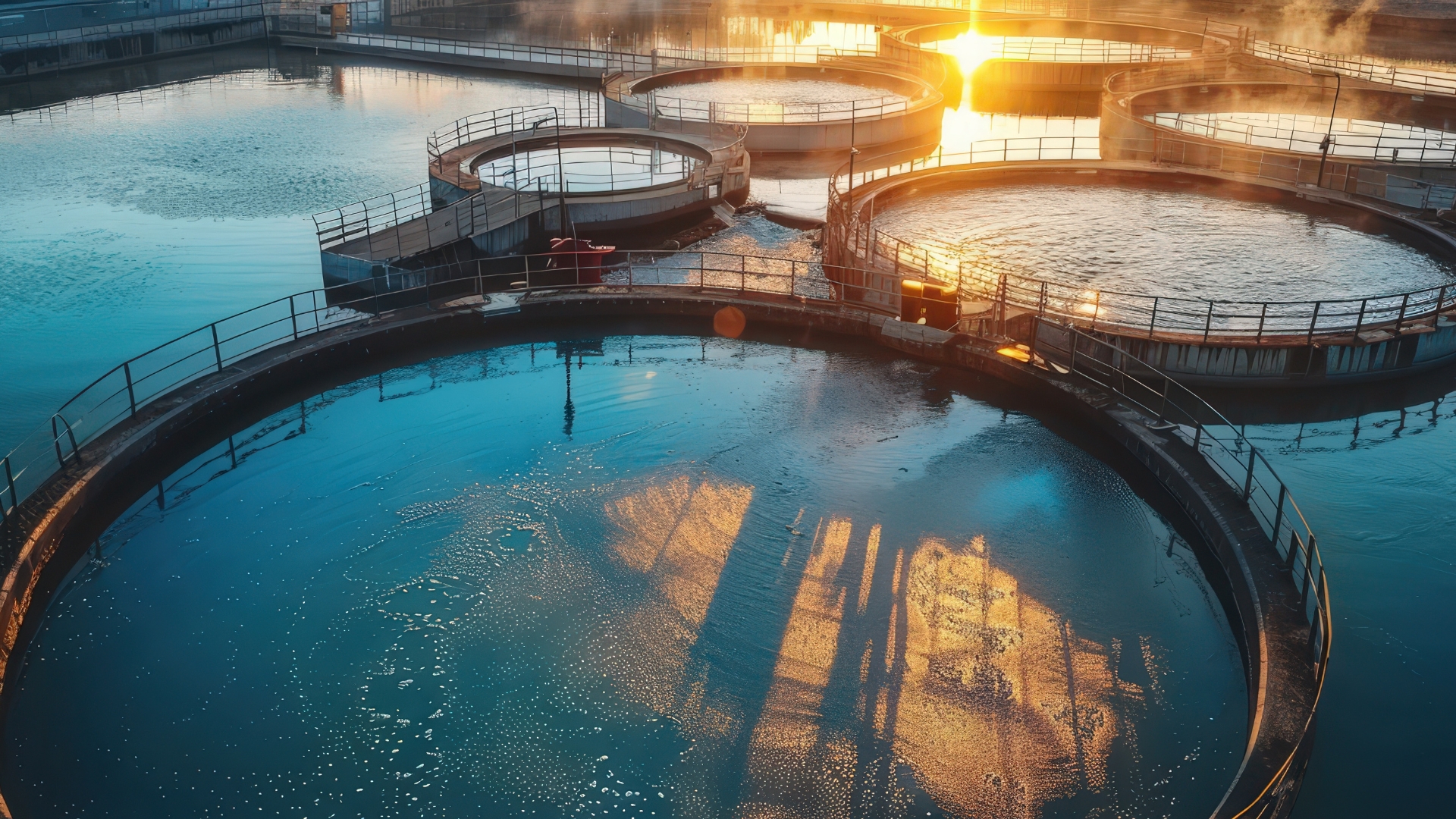
Water demand is soaring as the US uses 150T gallons yearly, with population growth, climate shifts, and industry straining supply.
Water is one of the most critical yet overlooked resources of the 21st century. The US consumes over 150 trillion gallons annually. As the population grows, climate patterns shift, and industries with high water consumption (such as data centers) expand, the pressure on water infrastructure is increasing.
Decades of underinvestment have left much of the country’s water network at a crisis point. The US water system comprises 2.2 million miles of drinking water pipes and 1.3 million miles of public sewers—many of which pre-date World War II and are reaching the end of their operational lifespan. A 2023 study by the Utah Water Research Lab found that a new water main break occurs every two minutes in the US, with utilities losing 11% of their water (2.1 trillion gallons annually) due to leakages. These losses cost more than $10 billion each year.
The investment imperative
Significant investment is required to modernize treatment plants and ensure the resilience of the US water infrastructure. The US has around 16,000 wastewater treatment plants, many built following the 1972 Clean Water Act. As these plants approach their 40–50-year lifespan, pressure on the system is growing. Currently, 15% of plants are operating at or beyond their design capacity, with system-wide utilization averaging 81%.
The Environmental Protection Agency (EPA) estimates that $1.2 trillion will be required over the next 20 years to meet Clean Water Act goals, with California, New York, Florida, and Virginia accounting for nearly 35% of required investment. In addition, stricter regulations at the federal, state, and local level in multiple areas, such as PFAS treatment and stormwater management, are driving an incremental need for investment.
Funding for water infrastructure remains strong, with the sector historically relying on user fees for around 80% of its revenue. These fees have proven resilient, rising by 56% since 2012—outpacing inflation. The Infrastructure Investment and Jobs Act (IIJA) earmarked ~$50 billion for municipal water and wastewater projects, marking the most significant federal funding intervention in the sector in two decades. While the new Trump administration has paused IIJA disbursements for review, water infrastructure remains a lower-risk area for funding cuts. CIL expects overall funding to remain robust, with federal IIJA support sustaining increased activity through at least 2026, alongside steady user fee increases to fund maintenance and investment.
Investment opportunities
With activity and investment in the water sector set to rise, investors should consider where the most attractive opportunities will emerge. There are multiple promising areas for investment including:
Third-party operations and maintenance (O&M) service providers
These firms play a vital role in emergency repairs, routine maintenance, inspections, and large capital infrastructure projects. Their role is increasing as in-house labor forces at utilities continue to come under pressure. The market remains fragmented with many smaller operators of limited scale. This presents opportunities for investors to consolidate and professionalize the sector, rolling up multiple businesses into regional players that can drive efficiencies and margin improvements.
Automation and monitoring solutions
As utilities face labor shortages and growing capital demands, automation and monitoring solution providers stand to benefit. Companies that enable remote monitoring and control of water treatment plants, pumping stations, and broader infrastructure will play a key role in improving operational efficiency. With utilities under pressure to manage costs while maintaining service levels, investment in these technologies is accelerating.
Specialist equipment and software providers
Companies offering instrumentation and testing equipment, inspection solutions, and operational software are seeing increased demand. As water networks undergo large-scale upgrades, these supporting services will be essential for modernizing and maintaining infrastructure.
Modular systems
Innovative companies are developing factory-built modular solutions to replace the use of bespoke on-site fabricated systems, in areas such as mechanical filtration, chemical dosing, and biological water treatment. The approach reduces cost, speed of deployment, and limits the amount of disruption to on-going operations. These types of solutions have clear advantages and should continue to penetrate the market going forward.
CIL continues to monitor trends and activity in the water infrastructure market. If you would like to discuss key developments or strategic opportunities, get in touch.
Sign up to our mailing list to receive our latest insights.